Kennst du das? Du fährst die ganze Zeit mit dem Auto durch die Gegend, oder läufst irgendwo rum – hast entweder die Kamera nicht dabei, oder du hast sie dabei und kannst gerade nicht anhalten. Passiert mir dauernd.
Ich versuche mich wirklich daran zu halten: anhalten, wenn ich was sehe.
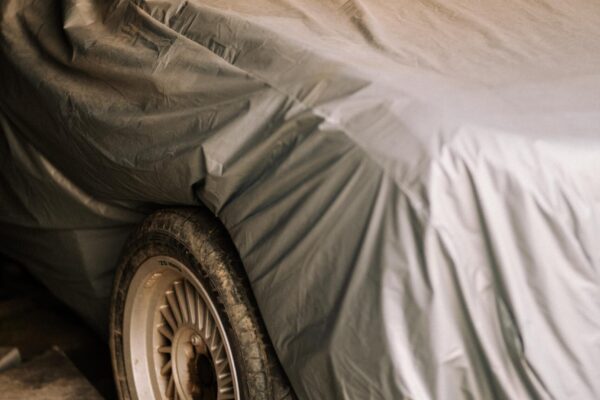
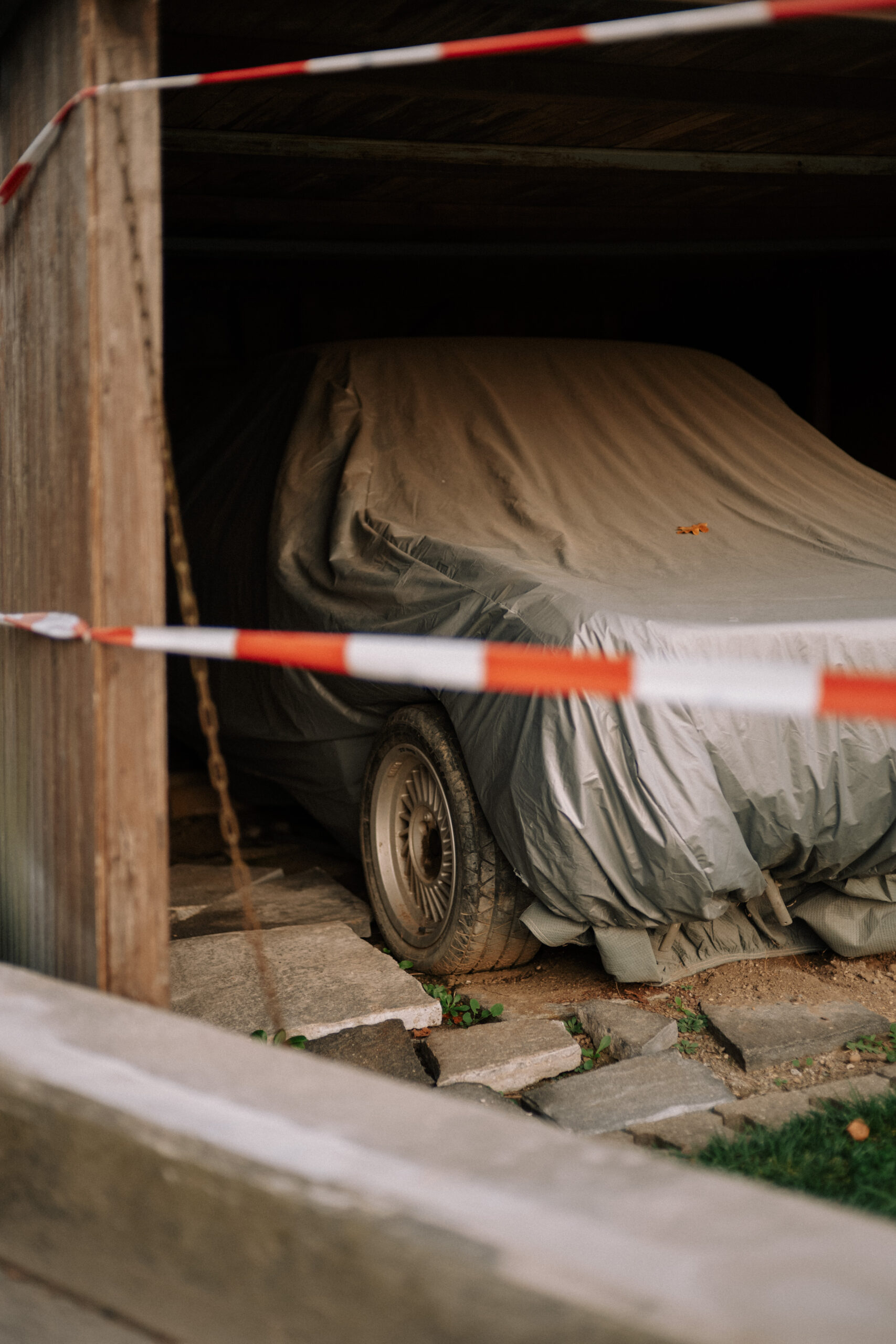
Und so ist es mir jetzt passiert. Ich war immer wieder an dieser Straße vorbei, wo man ganz blöd parken kann – hab’s aber endlich mal geschafft anzuhalten. Und Fotos zu machen von diesem Auto, das da abgedeckt in einer Garage steht. Wohl schon eine ziemlich lange Weile.
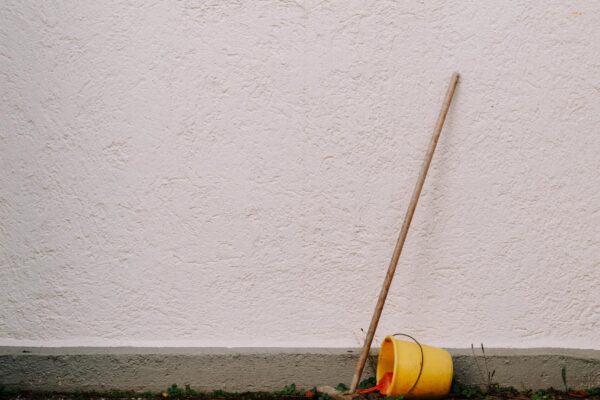
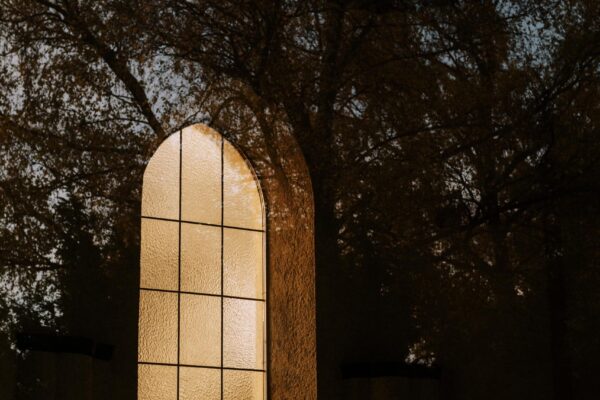
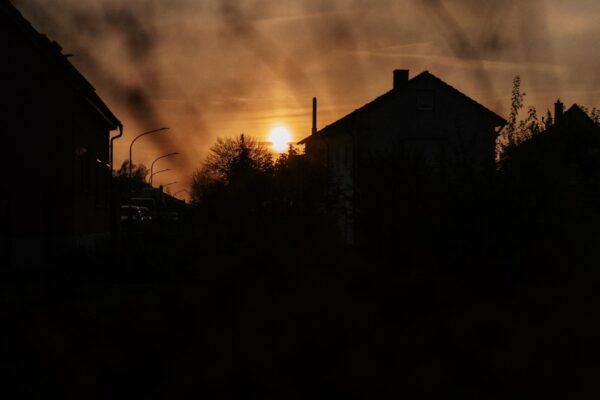
Das Schöne ist: Wenn man dann an solchen Orten ist, sieht man plötzlich noch mehr. Eine kleine Kapelle. Ein renovierungsbedürftiges Haus. Ich hab einfach die Gelegenheit genutzt und geschaut, was sich so findet.
Alles nichts Ausstellungswürdiges. Aber ich möchte es trotzdem teilen – weil ich die Welt eben so sehe.
Was mich an solchen kleinen Aktionen interessiert, ist die Grittiness. Das abgedeckte Auto, das schon seit Jahren da steht und irgendwie eine Geschichte erzählt. Das kleine Blatt auf der Motorhaube, das die Komposition für mich irgendwie vervollständigt.
Das ganze Ding hat vielleicht 15, 20 Minuten gedauert. Ein paar Motive gefunden. Shots, die einen erstmal interessieren – und die vielleicht gar nicht so stark sind. Aber man macht sie trotzdem. Einfach des Fotografierens willen. Weil man sieht. Weil man beobachtet.
Schaut euch mal um.